

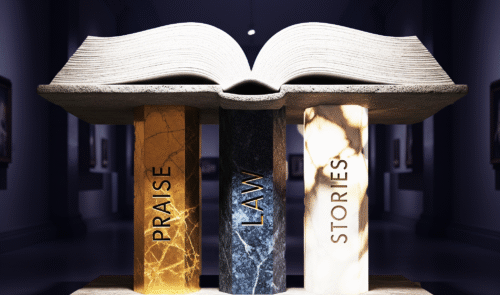
The Structure of the Qur’an: One-Third Is Allah’s Praise
The Qur’an, the eternal and miraculous Word of Allah, is the ultimate guidance for humanity. It is not only a book of laws or history but a deeply spiritual text that touches the heart, mind, and soul. One of the fascinating features of the Qur’an is how its content is balanced around core themes, creating harmony and depth in its message.
One profound observation is that approximately one-third of the Qur’an is devoted to the praise of Allah—His Names, Attributes, and Glory. Understanding this fact can help believers appreciate how central the remembrance of Allah is to Islam.
But what about the remaining two-thirds? What do they contain? This article explores this structure and its significance for believers.
One-Third of the Qur’an: Praise of Allah
Praise of Allah is fundamental to the Qur’an’s message. This includes verses that describe and glorify Allah’s majestic Names and Attributes, inviting believers to know Him, love Him, and trust in His power and mercy.
- What does this praise entail?
It encompasses Allah’s qualities such as Ar-Rahman (The Most Merciful), Al-Quddus (The Absolutely Pure), Al-Aziz (The Mighty), and many others. These attributes reveal the divine nature and perfection of Allah. - Examples in the Qur’an:
- Surah Al-Ikhlas (112:1-4): “Say: He is Allah, the One; Allah, the Eternal Refuge; He neither begets nor is born; Nor is there to Him any equivalent.”
- Surah Ar-Rahman (55) extensively lists Allah’s blessings and attributes.
- Surah Al-Fatiha (1:1-7), which begins with praising and glorifying Allah as the Most Merciful and Master of the Day of Judgment.
- Spiritual significance:
Repeatedly praising Allah’s Names nurtures taqwa (God-consciousness) and strengthens the believer’s faith. It is through these Names that Muslims learn to call upon Allah in times of need, hope, and gratitude. - Scholarly insight:
Imam al-Ghazali, in his works on the Names of Allah, emphasizes that knowing Allah’s Names leads to knowing Allah Himself, which is the foundation of true faith.
The Other Two-Thirds: Law, Guidance, and Prophetic Stories
The rest of the Qur’an is divided roughly into:
1. Legal Rulings and Ethical Guidance (~1/3)
- The Qur’an contains detailed Shariah (Islamic Law) covering acts of worship (prayer, fasting, zakat), social and family laws, and ethical principles governing justice, mercy, and human interaction.
- These laws provide a framework for a just and moral society, ensuring harmony between individuals and communities.
- Examples include the rules of inheritance, prohibitions on theft and murder, and guidance on business ethics.
2. Prophetic Stories and Historical Narratives (~1/3)
- The Qur’an recounts the stories of previous prophets like Nuh (Noah), Ibrahim (Abraham), Musa (Moses), Isa (Jesus), and the challenges they faced.
- These stories serve as lessons and reminders, illustrating the consequences of obedience and disobedience to Allah.
- The narratives also demonstrate Allah’s mercy, justice, and ultimate control over human affairs.
Summary of the Qur’an’s Content Distribution
| Content Type | Approximate Percentage | Description |
|---|---|---|
| Praise and Attributes of Allah | ~33% | Dhikr, glorification, Names and Attributes |
| Legal Rulings and Guidance | ~33% | Shariah laws, ethical commands |
| Prophetic Stories and History | ~33% | Narratives for reflection and learning |
Why This Structure Matters
This tripartite division reflects the holistic nature of the Qur’an as a spiritual guide:
- It connects the believer to Allah’s essence through praise and knowledge.
- It instructs practical living through divine law and ethics.
- It teaches wisdom and reflection through historical lessons.
This balance is a divine wisdom that meets the needs of the soul, mind, and community.
Supporting References
- Qur’an:
- “Indeed, your Lord is in observation.” (Qur’an 94:14) — reminding believers of Allah’s awareness and power.
- “And We have already sent messengers before you, [O Muhammad], among the former peoples.” (Qur’an 13:38) — highlighting the historical narratives.
- Hadith:
- The Prophet Muhammad (peace be upon him) said: “The best among you are those who learn the Qur’an and teach it.” (Bukhari)
- He also encouraged frequent remembrance of Allah’s Names as a means of closeness.
- Imam al-Ghazali:
- Emphasized the importance of the Names of Allah for spiritual knowledge and purification of the heart.
Conclusion
Understanding that one-third of the Qur’an is dedicated to Allah’s praise helps us grasp the spiritual heart of the Book. The rest complements this praise by guiding our actions and reflecting on the experiences of the prophets.
This divine structure invites us into a complete and balanced relationship with Allah — knowing Him deeply, living by His guidance, and learning from the past.
May this understanding deepen your connection with the Qur’an and inspire continual reflection and devotion.
=
#Quran #NamesOfAllah #IslamicLaw #PropheticStories #DivineGuidance #Spirituality #IslamicWisdom #AllahPraise #QuranReflection #FaithJourney